
Gauteng quarry
Midrand Primary Jaw Relined
Jaw plate and cheek pair change with photo log and toggle fuse check.
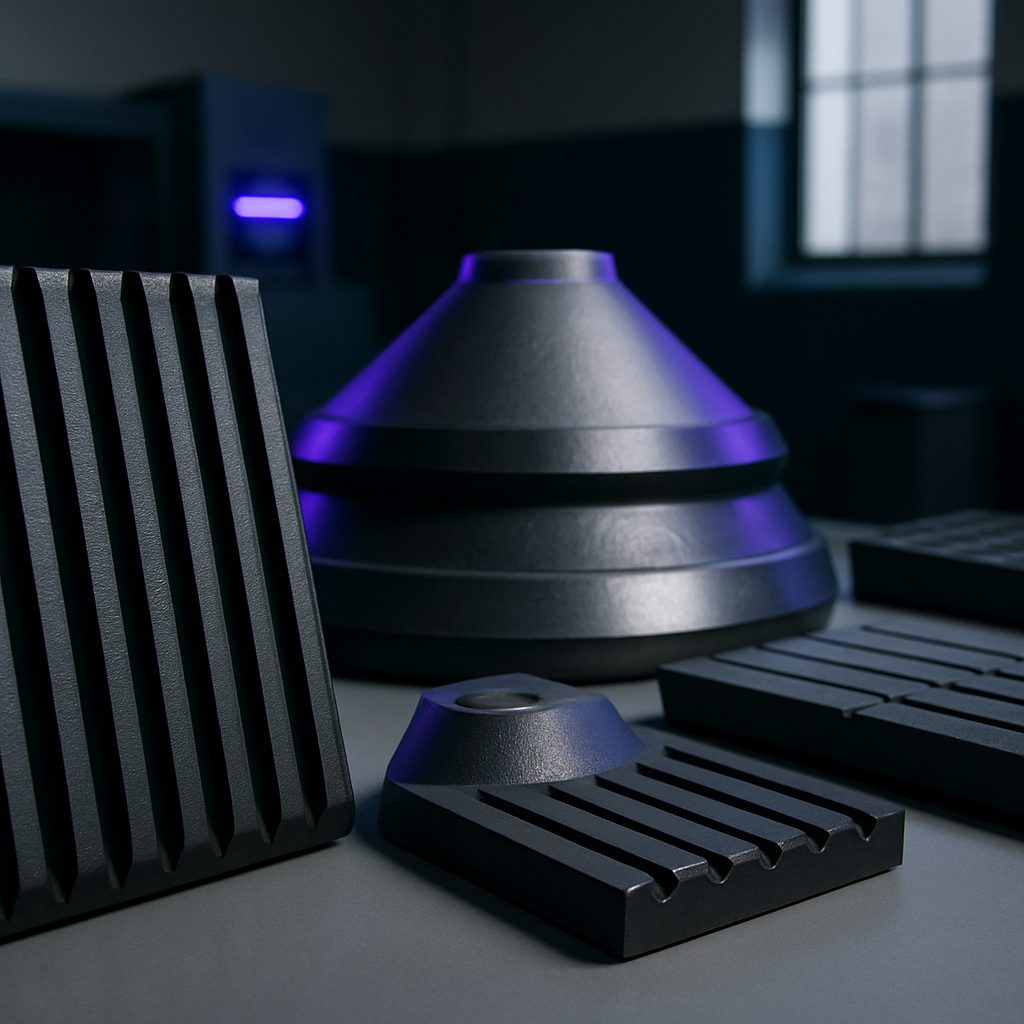
Browse related plant guides and parts. If your plant looks similar, send us photos of the worn parts and we will match the profile.
Jaw Crusher high wear and safety review
A large quarry operation in Gauteng, north of Joburg, flagged increasing wear on their primary jaw crusher. Operators had noticed a drop in output and uneven discharge, especially during the last runs before change out. On inspection, both the fixed and swing jaw plates were worn well below their profile, and the cheek plates had significant scouring. The toggle plate was showing early signs of deformation, raising concerns about its ability to act as a safety fuse in the event of tramp metal. Access to the plant was good, but dust and early morning Highveld chill made for classic Gauteng working conditions.
- Noticed uneven product and more downtime
- Jaw plates and cheeks at end of life
- Toggle plate showing possible fatigue
Supplying and swapping new jaw wear parts
We supplied a new set of austenitic manganese jaw plates and OEM profile cheek plates from our Sunnyrock yard, loaded straight onto the quarry bakkie for quick turnaround. The team followed safe lockout procedures, then set up slings and lifting lugs for plate removal. Backing compound was cleared, and old liner bolts were checked for stretch before disposal. The toggle plate was measured and replaced as a precaution, given its role as a critical tramp-metal safety feature. New liners were installed, torqued to the OEM manual spec, and seating faces checked for proper fit. A full photo log was compiled, recording wear patterns and fit-up for future reference. Final step was a nip angle test and closed side setting check with feeler gauges before green-lighting the start-up.
- New jaw and cheek plates in austenitic manganese
- Toggle fuse replaced proactively
- Photo log recorded liner wear and fit
Follow-up, wear tracking and lessons learned
After relining, the plant team monitored discharge size and throughput, keeping a record of closed side setting and feed distribution on each shift. Regular visual checks on jaw plate seating and toggle plate condition were scheduled, with photographic updates sent for wear profiling every two weeks. Stock holding at the yard was planned to cover the next expected liner change. In hindsight, an initial hardness test on the old toggle would have helped tell if it had started work hardening, so next campaign we will include this step. Any torque values or bolt replacements will always be checked against the OEM manual, and we strongly suggest tracking liner wear with both visual and caliper checks to catch uneven wear early.
- Routine checks on nip angle and CSS
- Wear photos kept for the maintenance log
- Toggle plate hardness test to be added next time
What our Crusher Wear Parts customers say
Verified Google reviews