
Western Cape sand plant
Paarl VSI Tips
Tip map and moisture log that held for a full campaign.
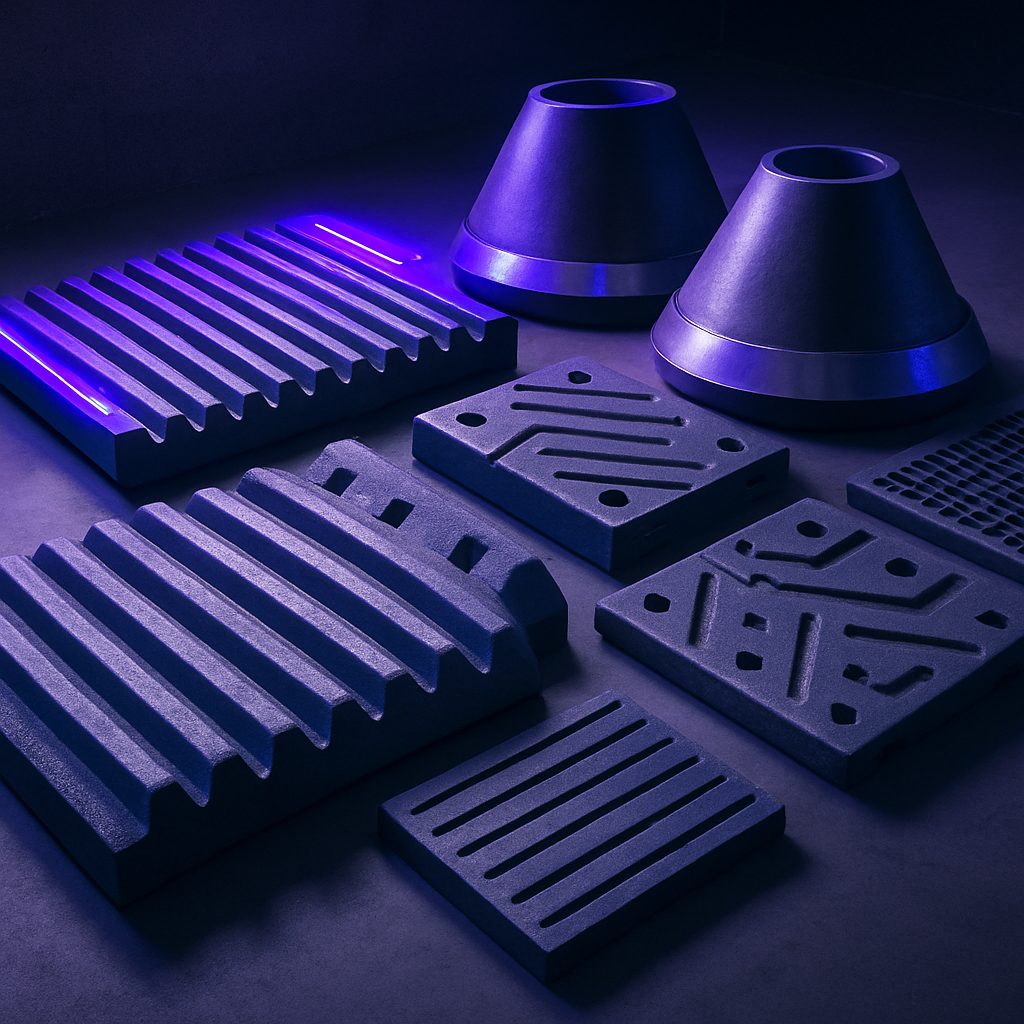
Browse related plant guides and parts. If your plant looks similar, send us photos of the worn parts and we will match the profile.
Tough sand conditions in Paarl
In Paarl, Western Cape, a sand plant was experiencing uneven wear on their VSI (vertical shaft impactor) impeller tips due to variable feed moisture and inconsistent feed distribution. High Cape humidity, especially in winter, made sand stickier, impacting rotor balance and the consistency of the crushing chamber profile. These factors led to frequent tip changes and downtime, with concern for safe lifting and lockout during maintenance. The operators needed a plan that could keep up with these conditions, given the site's throughput and variable feed moisture.
- Sticky sand due to local weather
- Frequent tip change-outs
- Issues with rotor balance and safe handling
Supplying and mapping VSI tips
We supplied a set of high-chrome VSI impeller tips matched to the existing OEM profile. To tackle the wear pattern issue, we put together a detailed tip map, marking each tip's position and rotation. The plant team kept a moisture log throughout the campaign. This let them track correlations between sand moisture, feed rate, and tip wear. Our technical rep briefed the team on safe tip change procedures, correct torque for liner bolts (checked against OEM manuals), and rotor balance checks during installation. We also supplied backing compound for any minor cavity filling, plus tips with cast-in lifting lugs for safe handling with a bakkie crane.
- High-chrome impeller tips to suit application
- Full tip mapping on install
- Team training on tip change and safe lifting practices
Lessons from the campaign and next steps
After the campaign, the plant team carried on logging feed moisture and checking tip profiles every shift. This routine made it easier to organise campaign planning and predict when to order spares, avoiding Eskom power cut surprises. They noted that choke feeding and correct feed distribution reduced tip wear and improved throughput. Next time, we would add ceramic insert tips for the high-flow sections and introduce polyurethane splash guards to reduce material build-up in the rotor. We recommend routine feed mapping and liner wear profiling as standard, working alongside the plant’s own inspection programme.
- Continue with tip and moisture monitoring
- Choke feeding and correct feed spread improve tip life
- Consider ceramic inserts and polyurethane guards for future runs
What our Crusher Wear Parts customers say
Verified Google reviews