
Limpopo finish plant
Polokwane Screen Deck
PU media kit with aperture honesty on the sales grade.
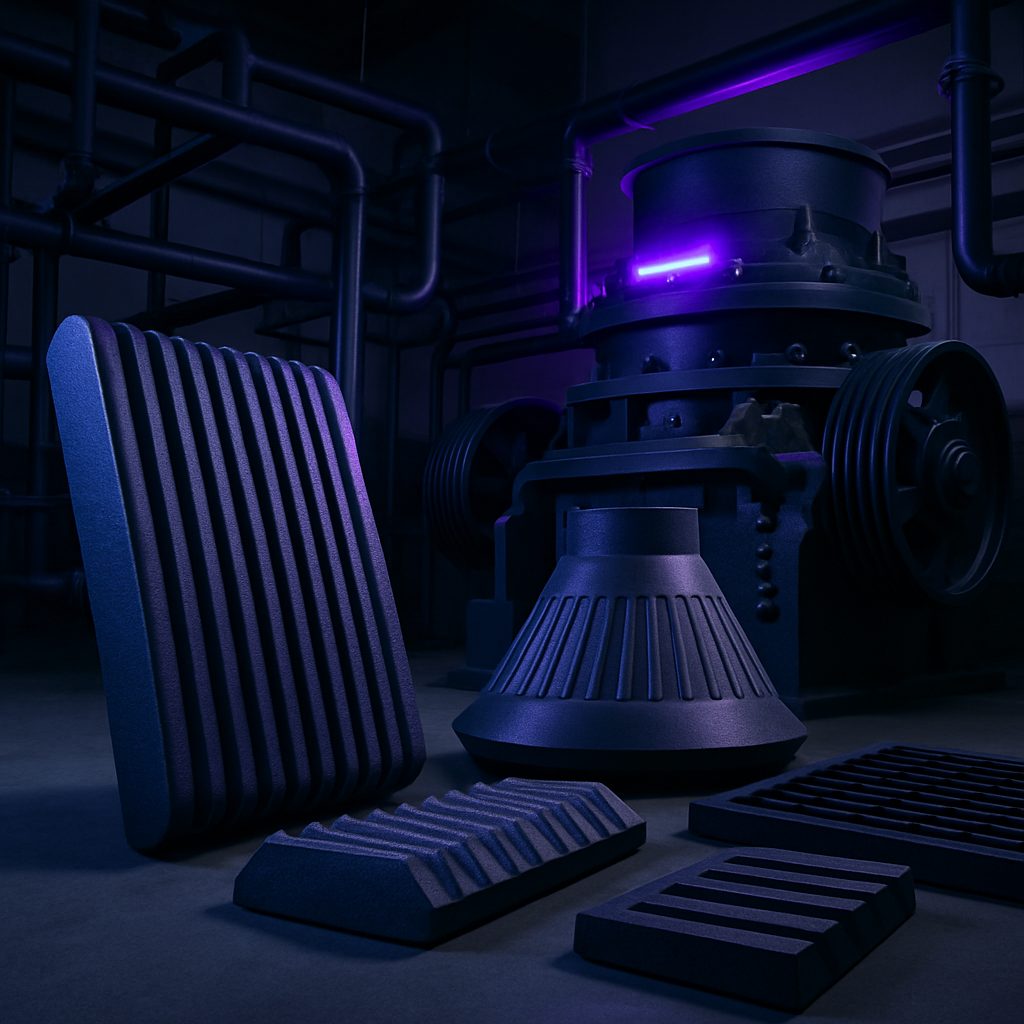
Browse related plant guides and parts. If your plant looks similar, send us photos of the worn parts and we will match the profile.
Screening issues in limpopo finish plant
A quarry finish plant outside Polokwane was having a tough time maintaining consistent grading on its sand and aggregate products. The old wire mesh panels were warping under heavy feed, opening up at the edges, and blinding with the region’s sticky fines, especially after rain. Oversize particles were sneaking through, and the plant manager was under pressure to keep up with local roadwork contracts. The plant’s power supply was stable for the area, but changing screen panels on the top deck meant halting feed and sending a bakkie for spares from Joburg, wasting hours and plenty of diesel.
Supplying a PU media kit with true apertures
We supplied a full polyurethane media kit for the primary and secondary decks, including tension mats and modular panels. Our team met the plant foreman to review the actual product requirements and measured the deck for proper fit. The key was to match the OEM profile and ensure the apertures were true to grade, not just listed dimensions. We used sample trays to compare undersize from the old wire mesh and our PU mats. Our fitters worked with the local maintenance crew to swap out panels one deck at a time, using lifting lugs and observing lockout procedures. Proper torque on screen bolts was checked with calibrated tools, and we advised holding the deck tension to the OEM spec. We left extra panel clips and tension wedges to minimise downtime in future swaps.
- Genuine polyurethane panels with tight tolerance on aperture size
- Attention to screen tension and frame fitment
- On-site aperture testing with sample trays
- Safe changeout process with proper lockout and lifting
Plant practices after the upgrade and lessons learned
After the installation, the plant crew committed to weekly wear checks and regular tensioning of the deck panels, using a simple tension gauge and keeping a logbook. They tracked grading with every shift, making sure the screen was not overfed and that the feed was spread evenly across the deck. We recommended ordering a spare set of critical deck panels to keep on site, given the long lead times up north. If we were to do this again, we would suggest using composite screen panels on the bottom deck to reduce carryover and speed up cleaning during shutdowns. We also found that working closely with the crew on aperture verification upfront sped up the whole process and helped keep the plant’s sales product true to spec.
- Weekly wear and tension checks with logbook
- Spare panels kept on site
- Feed distribution monitored
- Composite panels considered for fine screening in future
What our Crusher Wear Parts customers say
Verified Google reviews