
Vaal plant
Vanderbijl Scalping
Scalping media that stopped fines from flooding the jaw.
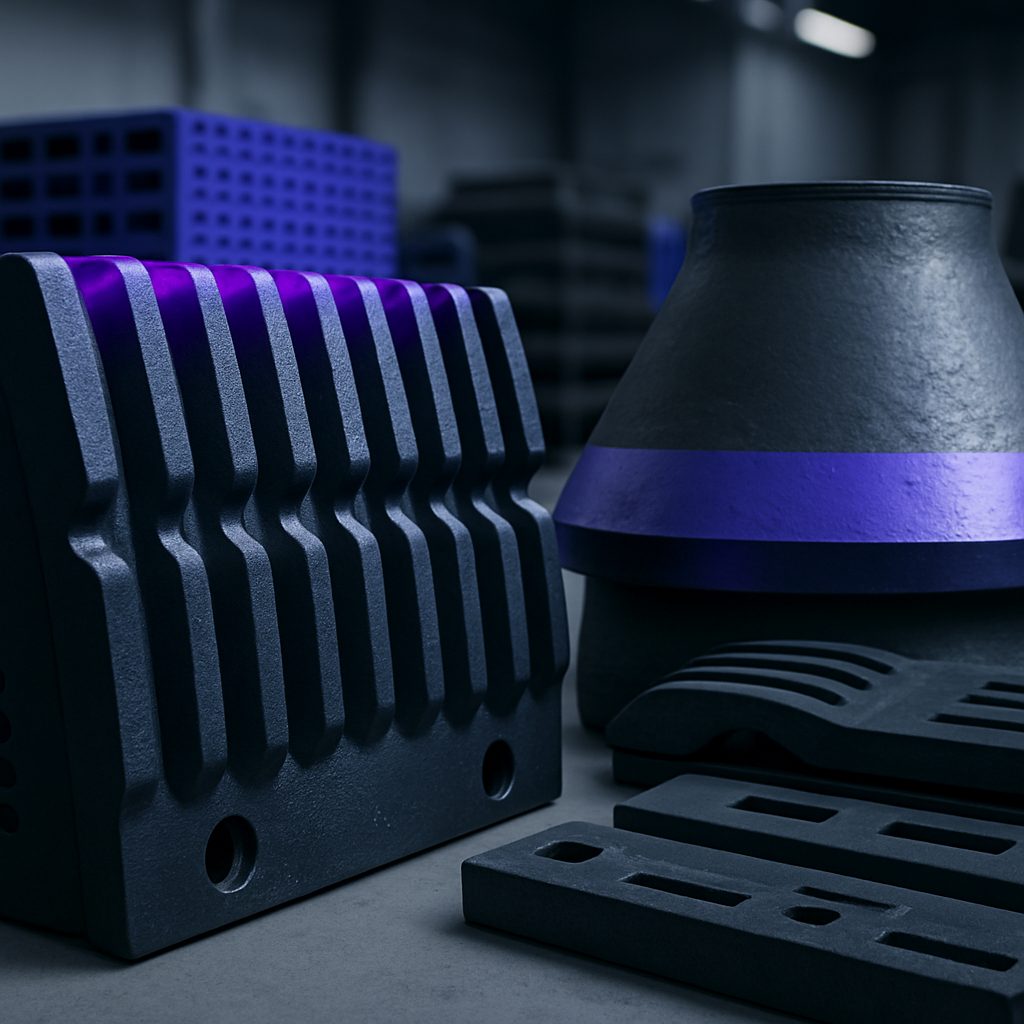
Browse related plant guides and parts. If your plant looks similar, send us photos of the worn parts and we will match the profile.
Scalping problems on the vaal
A plant near Vanderbijl was battling with its jaw crusher due to the amount of fines getting through the previous scalping setup. The original media allowed a high percentage of undersize material into the crusher's chamber, which overloaded the jaw box, accelerated wear on the jaw plates and cheek plates, and caused frequent stoppages to clear packed material. This was especially problematic after periods of rain or when the feed had a higher than usual amount of clay and fines.
The main concern from the client was the inconsistent feed size and the knock-on effects on throughput and jaw liner life. Maintenance crews reported increased downtime, and production targets were threatened. They needed a solution that would keep as much fines as possible out of the primary crusher, keeping the jaw's crushing chamber working in its optimal closed side setting range.
Supplying the correct scalping media
Our team visited the plant and assessed the screen deck and feed presentation. We recommended switching to a heavier-duty polyurethane modular screen panel with a revised aperture, suited to the site’s high proportion of sand and clay. The change was implemented during a scheduled shutdown. Our technicians worked with the plant maintenance team to ensure the screen tension was correct and the apertures matched the desired cut size, avoiding pegging while maximising fines removal.
During installation, we made sure the clamp bars and fixing bolts were torqued to OEM recommendations to prevent panel movement and minimise the risk of bypass. The new media was designed to handle the tonnage and abrasive conditions of the Vaal operation without flexing under load. Once the setup was running, we monitored for feed distribution across the full screen width.
- Modular polyurethane panels with custom aperture
- Correct tension and torque on screen bolts
- On-site commissioning and feed profiling
Ongoing results and lessons learned
After installing the new scalping media, the plant team saw a clear improvement in jaw crusher performance. Jaw plates lasted longer, and the frequency of blockages dropped. They made a point of regularly cleaning the modular panels to avoid blinding and maintained records of liner wear and crusher downtime. Ongoing wear profiling helped them spot any changes in feed or screen condition early.
If we tackled a similar job again, we’d recommend an even greater focus on feed consistency and perhaps trialling a narrower range of aperture sizes in the first campaign. We’d also schedule a follow-up inspection within the first month to tweak the setup, as material conditions in the Vaal can change quickly, especially with the Highveld’s variable weather.
- Routine cleaning and condition checks on scalping panels
- Wear profiling and jaw liner monitoring
- Early follow-up after installation for fine-tuning
What our Crusher Wear Parts customers say
Verified Google reviews