Wear note
Contract fleet handoffs
Moving kits between sites needs a named owner and a our contact form note.
By Ms Amina Hassan, Impact and recycle specialist
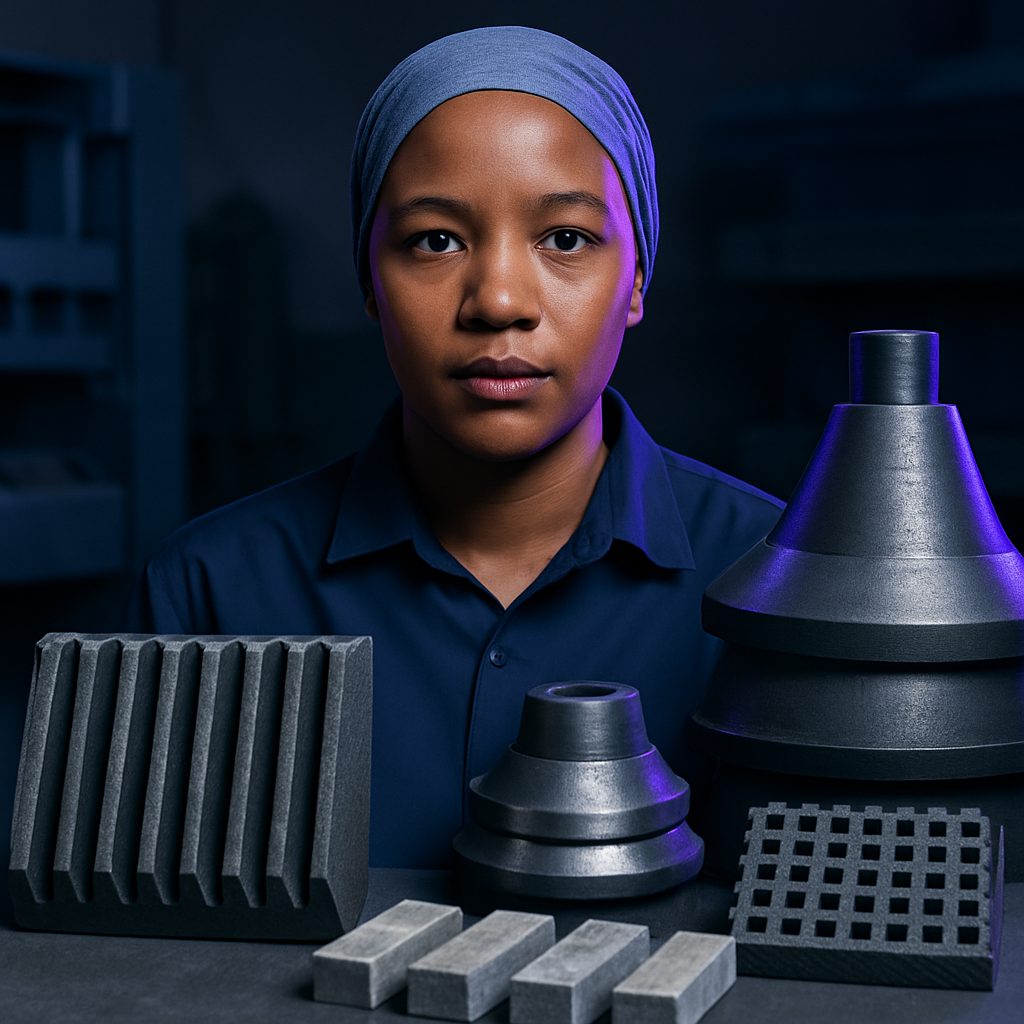
Ms Amina Hassan supports demolition and recycling yards with practical guidance on blow bar alloys and wear part selection for impact crushers.
AuthorWhy this matters on the plant
Moving blow bar kits between contract crushing sites is a high-pressure task that can make or break a campaign. I have seen too many delays and mix-ups that could have been avoided with a clear handover process and a proper record sent through our contact form.
Responsibility for the Blow Bar Kit
When a contract crusher fleet is deployed to a new site, the wear parts kit, especially the blow bar kit, must have a named responsible person. This is not just a paperwork step. The owner must know what is in the kit, including which blow bars are installed (OEM profile or aftermarket), which spares are packed, and the condition of used bars. Too often, kits arrive at new sites missing critical spares or with unmarked, worn bars that no one wants to use. Naming a kit owner means someone is accountable for every piece, from 180 to 420 kg martensitic or chrome iron bars, to lock wedges and liner bolts. This prevents disputes and downtime.
Proper handover procedure
Before moving a blow bar kit, the responsible person must record the inventory and condition of each part. Take clear photographs and note part numbers, wear profiles, and the presence of ceramic inserts or standard iron. All this data goes to the shared Contact form email. I've seen teams waste hours in the Highveld sun searching for a missing wedge or backing compound because no one checked the kit contents before a move.
Weight and handling are also important. Use the correct lifting lugs, and never risk injury or damage by using bakkie straps or makeshift slings. Check rotor balance weights and make sure all bars in the kit are matched for weight and profile, otherwise the first shift on the new site may face vibration or bearing failures.
- Count and photograph all blow bars
- List wedges, bolts, and lock pieces
- Check and secure lifting lugs
- Document ceramic and standard bars separately
- Send a full parts list and photos to the shared email
Common mistakes and South African realities
Power cuts at offloading time, rain in Durban, or dust storms in the Karoo can complicate a handover. We have seen kits left open on a flatbed during an Eskom outage, only for small hardware to vanish in the dark. Others have assumed a one-size-fits-all approach, sending a blow bar kit intended for a 1200 mm crusher to a 1000 mm plant, wasting hours. Always check the machine serial and crusher chamber profile before dispatch.
Never trust verbal handoffs. Mark the owner’s name and mobile on the kit crate itself, in permanent marker, not just on a spreadsheet. If you are moving between provinces, double-check all legal requirements for the transport of heavy parts.
Final checks at the new site
On arrival at the new site, the kit owner and the receiving fitter should verify the contents together. Lay out each blow bar, check for damage, confirm that all lock bolts and wedges are accounted for, and inspect for any signs of cracking or fatigue, especially on ceramic insert bars. Check the torque on liner bolts with a calibrated wrench, deferring to the OEM manual for values.
Keep a wear profile log for every kit. After the first shift, measure the blow bar wear face with a tape, compare it with the handoff record, and note any rapid wear. Early detection of uneven wear or improper fit can prevent costly downtime and rotor imbalance.
Related parts: Blow Bar Kit. You can also browse all parts and plant guides.
What our Crusher Wear Parts customers say
Verified Google reviews