| Material | AR plate / Mn |
|---|---|
| Thickness | Named mm |
| Fixing | Bolt-on |
| Supplier | our contact form |
Use our contact form for a tailored pack.
Also see wear notes and projects.
Understanding hopper liner specs
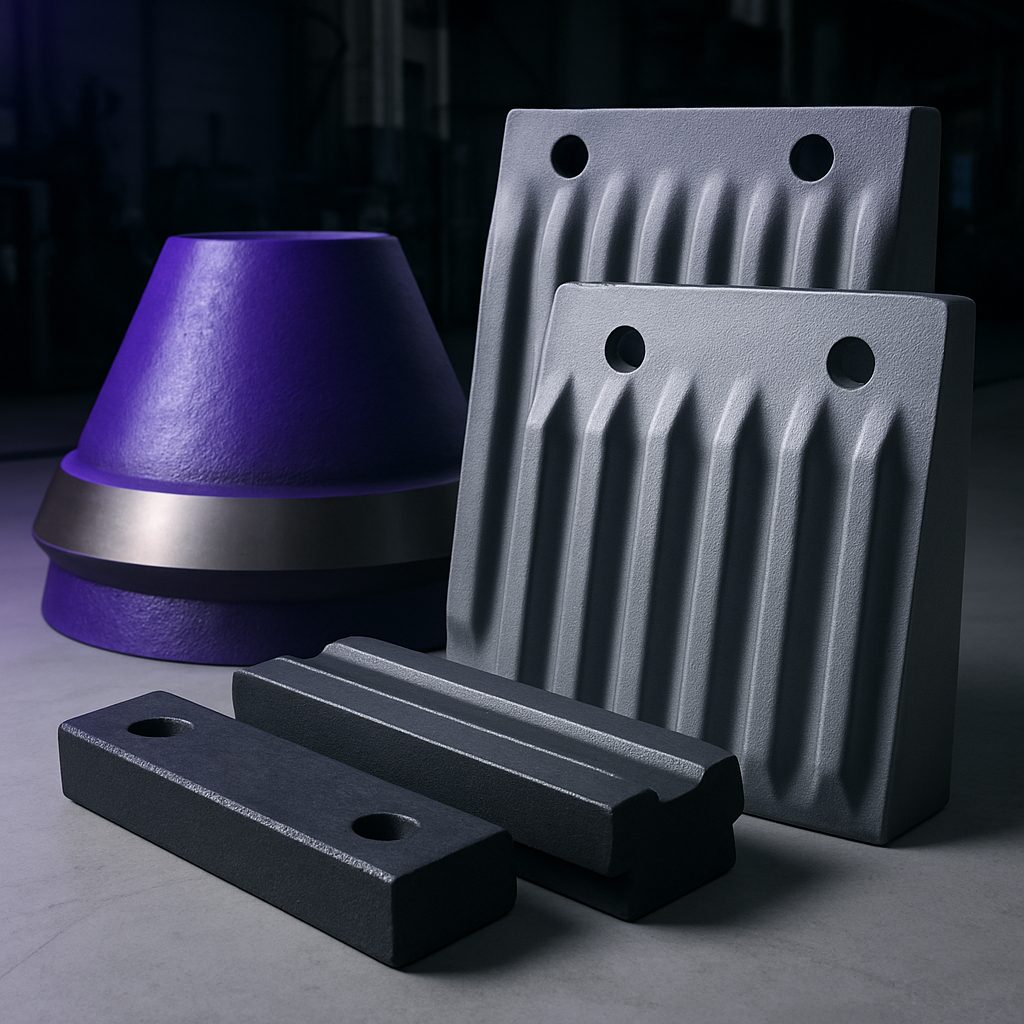
Each feed hopper liner is specified by material, thickness, and fixing method. AR plate brings hardness for high-abrasion feeds, while manganese (Mn) work hardens with repeated impact, ideal for larger blocky rock. Typical thickness is chosen to balance wear life with fitting constraints, too thick and you risk feed restrictions, too thin and you lose protection. Bolt-on fixings make change-outs easier and safer than weld-on pads, especially when working above the chamber.
Spec sheets also include mass, which affects safe lifting and must be confirmed before planning your change.
Measuring and confirming your part
Before ordering, use a tape and straightedge to measure the worn liner’s length, width, fixing hole positions, and current thickness at several points. For chutes that have been patched or worn unevenly, trace the outline on cardboard or use calipers for internal corners. Check the profile against the OEM drawing if you have it, as some older hoppers will have been modified over time. Email clear photos showing wear patterns, fixing points, and the crusher’s serial plate to our team. If possible, include a shot that shows the liner in place inside the hopper for context. This helps us match the right profile and avoids issues with bolt alignment.
What to send us for a fast match
To help us supply the correct replacement, send:
- Crusher make and model
- Serial plate (photo or details)
- Photos of the worn liner in and out of the hopper
- Key dimensions: length, width, thickness, bolt centres
Email these through our contact form and our team will revert with the closest match or options, including any advice on upgrading to a harder plate for your conditions.
What our Crusher Wear Parts customers say
Verified Google reviews