
Plant
Impact Tertiary Cell
HSI cells shaping aggregate where blow bar alloy choice is the week.
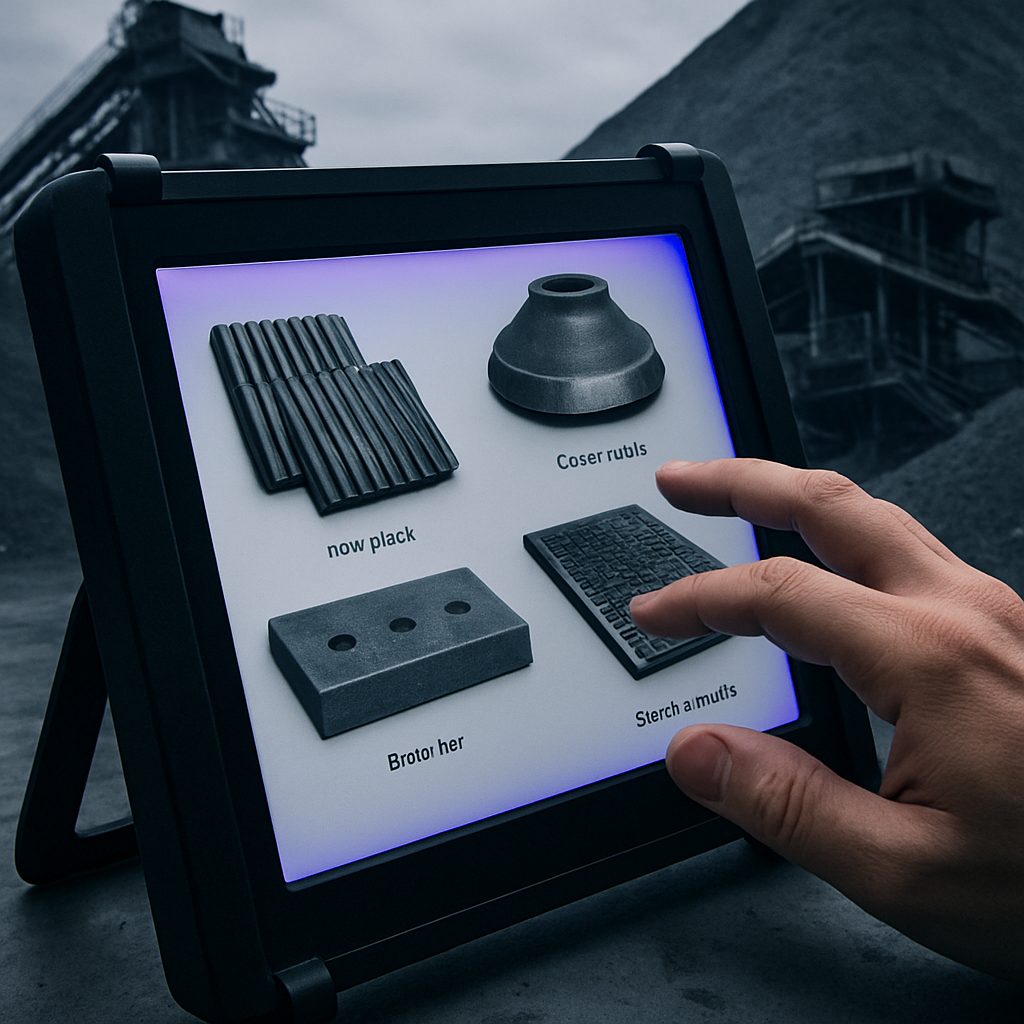
Parts for this plant
See our wear notes and printable resources for planning liner changes.
HSI tertiary cells for shaping aggregate
Impact tertiary cells use horizontal shaft impactors (HSIs) to refine and shape aggregate after primary and secondary crushing. These cells are typically placed downstream of cone or jaw crushers to improve particle shape for roadstone, concrete and asphalt blends. Material is fed at controlled rates to ensure even distribution across the rotor. The cell is often choke-fed to maximise reduction and maintain throughput consistency. Discharge passes onto screen decks that split the shaped fractions as required.
The primary aim is to convert flaky or elongated particles into cubical ones, reducing voids in the final aggregate blend. The HSI rotor speed, curtain settings and feed size are all tailored for optimal shaping without over-crushing or generating excess fines. The set-up depends on the feed gradation and desired end product, with ongoing adjustments to curtain positions and screen apertures to hit spec.
Key wear zones in the tertiary impact cell
Wear in HSI tertiary cells is heaviest on the blow bars, especially at the leading edge where aggregate enters the crushing zone at velocity. Impact, abrasion and micro-fracturing combine here to erode the working tip. The choice of blow bar alloy is crucial: chrome iron for high abrasion, martensitic for balanced impact and wear, or composite bars with ceramic inserts for greater service life in abrasive fines. Curtain liners and side wall liners also see wear from rebound and ricocheted material.
Screen media directly after the crusher faces rapid wear from shaped, high-velocity particles. The aperture size and media type, whether wire mesh or polyurethane, influences both throughput and maintenance intervals. Harder, angular particles can accelerate wear and lead to pegging or blinding if media isn’t well matched to the circuit’s needs.
Essential parts and their roles in HSI tertiary cells
For HSI cells, we supply complete Blow Bar Kits and Screen Media Kits. The Blow Bar Kit includes a matched set of blow bars suited to your aggregate type and feed size, plus the necessary fasteners and backing compound for secure fitment. Our bars cover OEM profiles in manganese, chrome iron, martensitic steel, and also composite ceramics for especially abrasive or high-tonnage circuits.
The Screen Media Kit offers both polyurethane and wire mesh options, with tension hooks and fitting bolts. Polyurethane screens are preferred where sticky fines are a problem, as on the Lowveld or after rain, while wire mesh typically handles sharp, angular stone well in the Highveld. All kits come with lifting lugs for safe handling, and we advise fitting new bars and media together to ensure balanced operation and reduced downtime.
- Blow Bar Kit: alloy bars, bolts, compound
- Screen Media Kit: polyurethane, wire mesh, hooks
- Backing compound for rotor pockets
- Lifting lugs for safe changeout
Planning for liner changeouts and Eskom outages
HSI liner life is best monitored by weekly wear profiling and visual checks during scheduled stoppages. Keep a record of blow bar thickness and screen aperture condition to avoid unplanned downtime. Since Eskom power cuts can disrupt changeouts, plan major liner changes for early mornings or during periods of lowest grid strain. Always lockout and tag machines before work, and use correct lifting equipment to prevent accidents.
Stock at least one full kit each of blow bars and screen media per HSI cell on site, more if your circuit runs variable feed or abrasive stone. Schedule campaign planning during quieter weeks or when production is at a lull, so changeouts can be done safely and without pressure. For technical support or urgent parts, use our contact form.
What our Crusher Wear Parts customers say
Verified Google reviews