Where wear buttons do the work
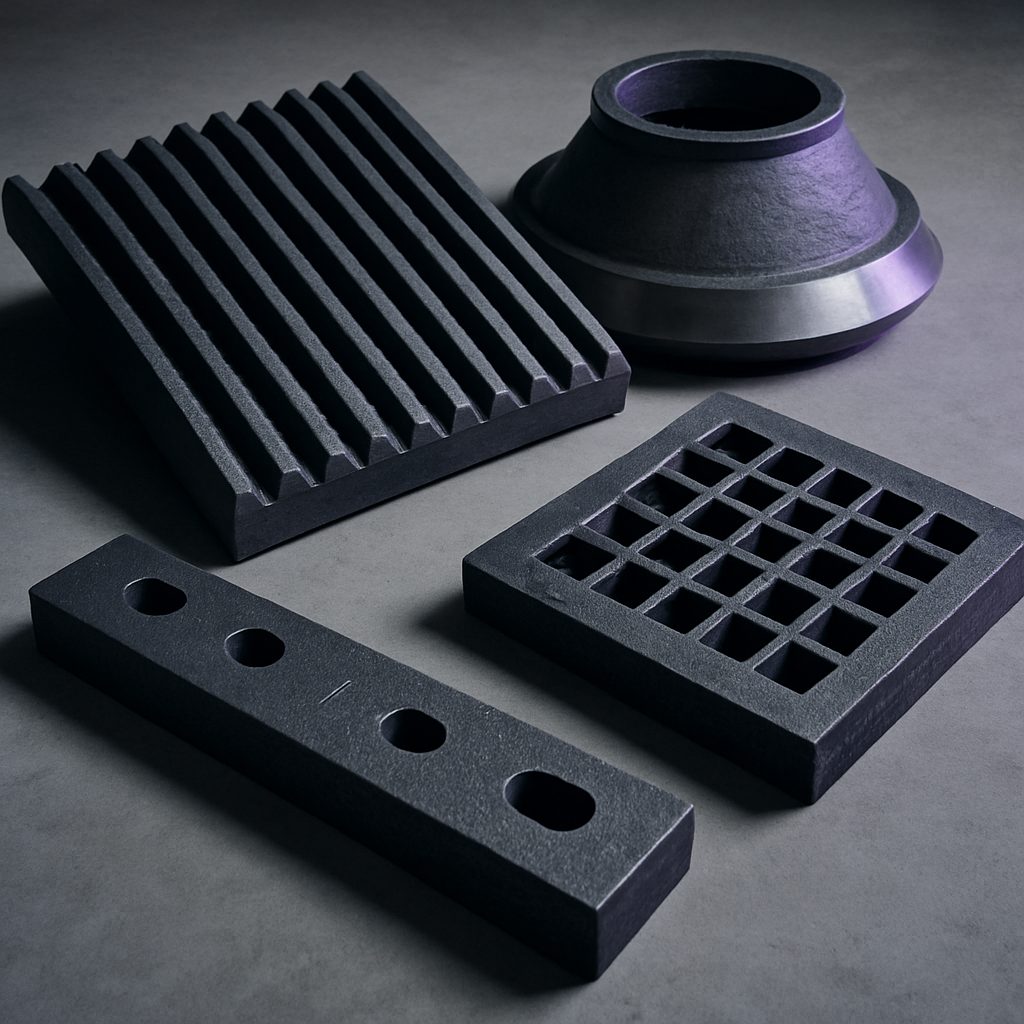
Wear button packs are a staple in high-impact zones around apron feeders, chutes and impact points in crushing and screening lines. They’re often the first point of contact for bouncing rock at transfer points, especially in feeders moving hard quartzite or granite. You’ll see them fitted in quarries, sand plants, ore-handling circuits, and on apron feeders out in the Karoo or up on the Highveld. For contract crushing and recycling outfits, wear buttons are key in loading bays and wherever metals or rebar sneak through the feed.
The main reason these locations chew through base steel is the focused energy where rocks strike again and again. Eventually, even a 20 mm liner can wear through in a matter of weeks if the impact is concentrated. Wear buttons protect the parent liner, so your chute or feeder lasts a full maintenance run. For plants battling with abrasive stone or aggressive recycled feed, buttons absorb the beating, so you’re not welding up cracks every fortnight.
What comes in your wear button pack
Every order includes a set of buttons or tiles in the material spec you request, from hard manganese through to white iron faced options, and even toughened ceramics for extreme cases. Our packs follow grid maps that match the actual high-wear zones of your feeder or chute. Each button or tile is cast or machined to shape, with the mass varying per size, typically in the 180 to 420 kg range for a full set.
We keep standard button sizes and grid maps in stock for popular apron feeder models, so most orders can be filled from our Germiston yard or dispatched to a showroom in Cape Town, Durban or Mbombela within a short window. For non-standard or custom patterns, allow a cast window of 10 to 15 working days. Every pack includes an installation note and grid map for correct placement.
Tough South African conditions and why material matters
Local conditions dictate your wear choice. On the Highveld, quartzite and blue granite are aggressive, demanding work-hardened manganese or high-chrome buttons. Dolerite, common in the Karoo, needs abrasion resistance but may not require all-out hardness. Coastal sites, especially along the Cape or in Durban’s humidity, face salt and corrosion, so composite or ceramic-faced options last longer. Recycle yards and urban plants often see tramp rebar and concrete fines, so buttons with extra backing or shock-absorbing layers take the sting out of occasional metal.
Airborne dust, particularly on the dry Highveld, can settle on exposed surfaces and accelerate liner wear, while the moisture in Durban or Gqeberha may cause rust under cracked liners. The right button spec prevents undercutting and keeps your maintenance cycles predictable, no matter what you’re running through the plant.
What our Crusher Wear Parts customers say
Verified Google reviews