
Wear note
Blow bar alloy honesty
Demolition feed is not quarry feed. Alloy choice is the week.
By Ms Chloe Naidoo, Showroom coordinator

Chloe Naidoo is the showroom coordinator at Crusher Consumables, keeping plant handovers seamless across the country’s main centres.
AuthorWhy this matters on the plant
Demolition feed is a different animal to the usual quarry stone, and choosing the right blow bar alloy can make or break your crusher’s week. Too many contract crushers think one type fits all, but ignoring your feed and alloy choice means downtime and lost tonnes.
Why demolition feed matters
When demolition rubble replaces blasted granite or dolomite on your apron, everything changes. Concrete with rebar, bricks, mortar and even unexpected scrap steel can come through with every bucket. We’ve seen bakkies tip loads with more metal than aggregate, especially on city jobs in Joburg or Durban. This mix hammers blow bars in ways clean quarry feed does not. The stop-start of Eskom power cuts also means the feed often surges unevenly, risking tramp metal events and rotor imbalance.
If you use standard chrome iron bars for demolition, you can expect early cracks and even full breakages. I’ve helped crews at Germiston and Tyger Valley pull out bars after just a week, all because the wrong alloy was chosen at the start.
Choosing the right blow bar alloy
Not all blow bars are born equal, and the right alloy depends on your feed. For clean, non-abrasive stone, classic chrome iron bars give you hard, sharp impact and long life. But demolition feed, with its scrap and variable hardness, will shatter high-chrome. Here, martensitic steel or even austenitic manganese come into their own. Martensitic bars, sometimes with ceramic inserts, give a tough core with better crack resistance.
For sites where rebar and metal are guaranteed, I always suggest martensitic or manganese bars. Manganese can work harden, absorbing shock and resisting sudden impacts from tramp steel. Remember, work hardening only happens if the bar is properly loaded. If the chamber is running empty or the feed is uneven, the benefit is lost. Always match your alloy to your real feed, not just the theoretical spec from the OEM.
Wear profiling and campaign planning
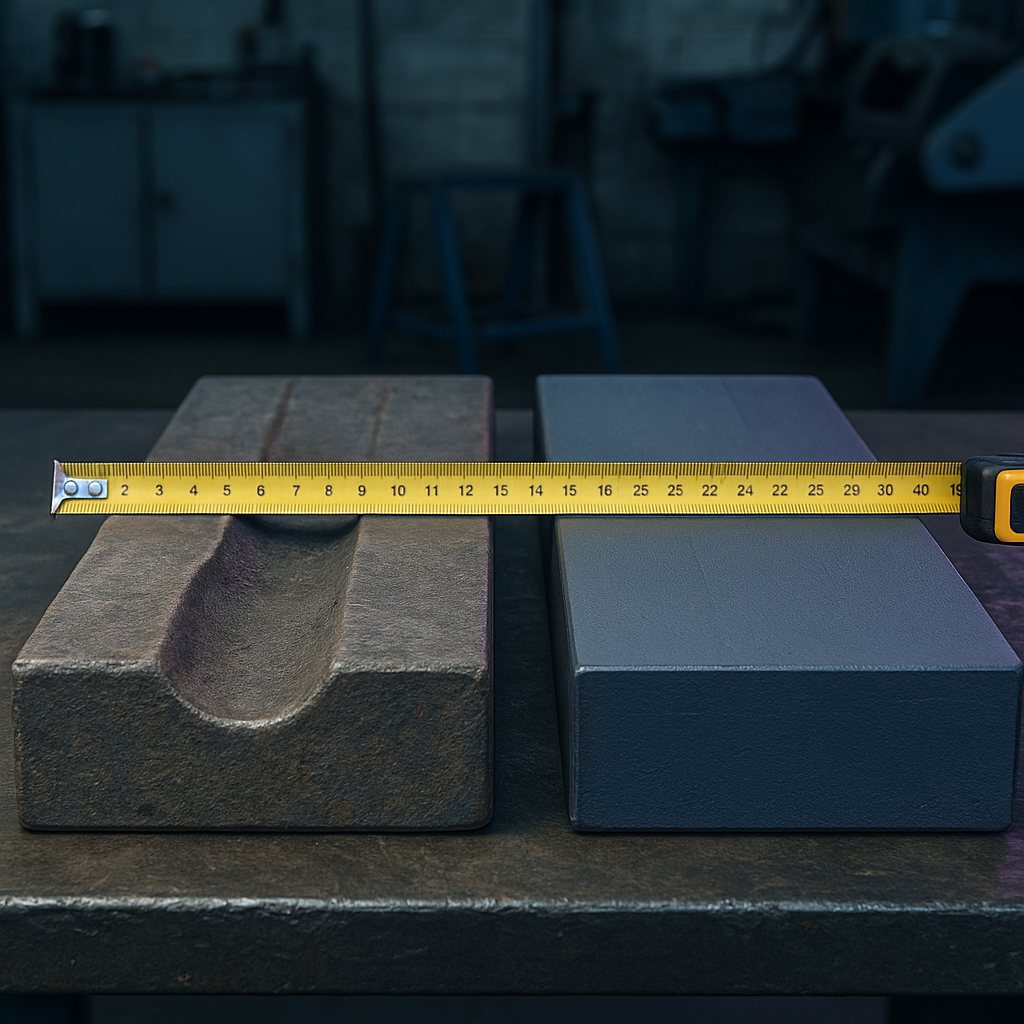
One of the biggest mistakes we see is running bars until failure, instead of inspecting for wear patterns. With demolition feed, you need to check for edge chipping, cracking across the bolt holes, and loss of width at the impact face. I recommend a simple profile gauge or even just calliper checks every 2 shifts when running demolition rubble.
Campaign planning matters. Always have your next set of bars ready in the yard, especially in Highveld winter when supply can be delayed and power cuts slow down maintenance. Keep backing compound, liner bolts, and a torque wrench on hand. Follow the OEM torque spec strictly for the bolts, and replace any that show signs of stretching or corrosion. Safe lifting is non-negotiable, so check lifting lugs before every change.
- Inspect blow bars visually every 2 shifts
- Use callipers to check for loss of width and edge cracks
- Replace bolts showing stretching or wear
- Store a spare set of bars and hardware on site
- Follow OEM torque settings for liner bolts
Screening and feed control to protect your bars
A good blow bar campaign starts with effective screening. Fit your screen media kit properly to remove fines and uncrushable tramp before it hits the crusher. For demolition jobs, I recommend polyurethane panels on the top deck to reduce pegging from sticky fines, with a tighter wire mesh below for sharp cut points.
Keep an eye on screen aperture. Too big and scrap sneaks through, too small and you lose throughput. Tension wire mesh well and check for blocked panels every shift in Durban humidity or after a Cape southeaster. Balanced feed distribution into the rotor is also crucial. Avoid overfeeding one side, which causes uneven wear and premature failure. Choke feeding helps, but never force material through if the chamber is blocked. Rather lock out and clear the jam safely.
Remember, demolition feed will always test your blow bars. With the right alloy, good screening, and regular checks, you can keep your crusher running and avoid surprises in the middle of the week. If you need advice, reach out to us through our contact form.
Related parts: Screen Media Kit. You can also browse all parts and plant guides.
What our Crusher Wear Parts customers say
Verified Google reviews