Wear note
Tramp metal after toggle
After a fuse event, inspect seats before you celebrate uptime.
By Ms Chloe Naidoo, Showroom coordinator

Chloe Naidoo is the showroom coordinator at Crusher Consumables, keeping plant handovers seamless across the country’s main centres.
AuthorWhy this matters on the plant
I often get calls from crushers in the Highveld and coastal plants alike, all celebrating a quick toggle plate swap after tramp metal. But before you get too chuffed with yourself, there’s a bit more checking required to avoid costly follow-up downtime. After a fuse event, don’t just focus on the toggle itself, look at the full picture, especially the toggle seats and what’s happening downstream on your screens.
Toggle plate is only the start
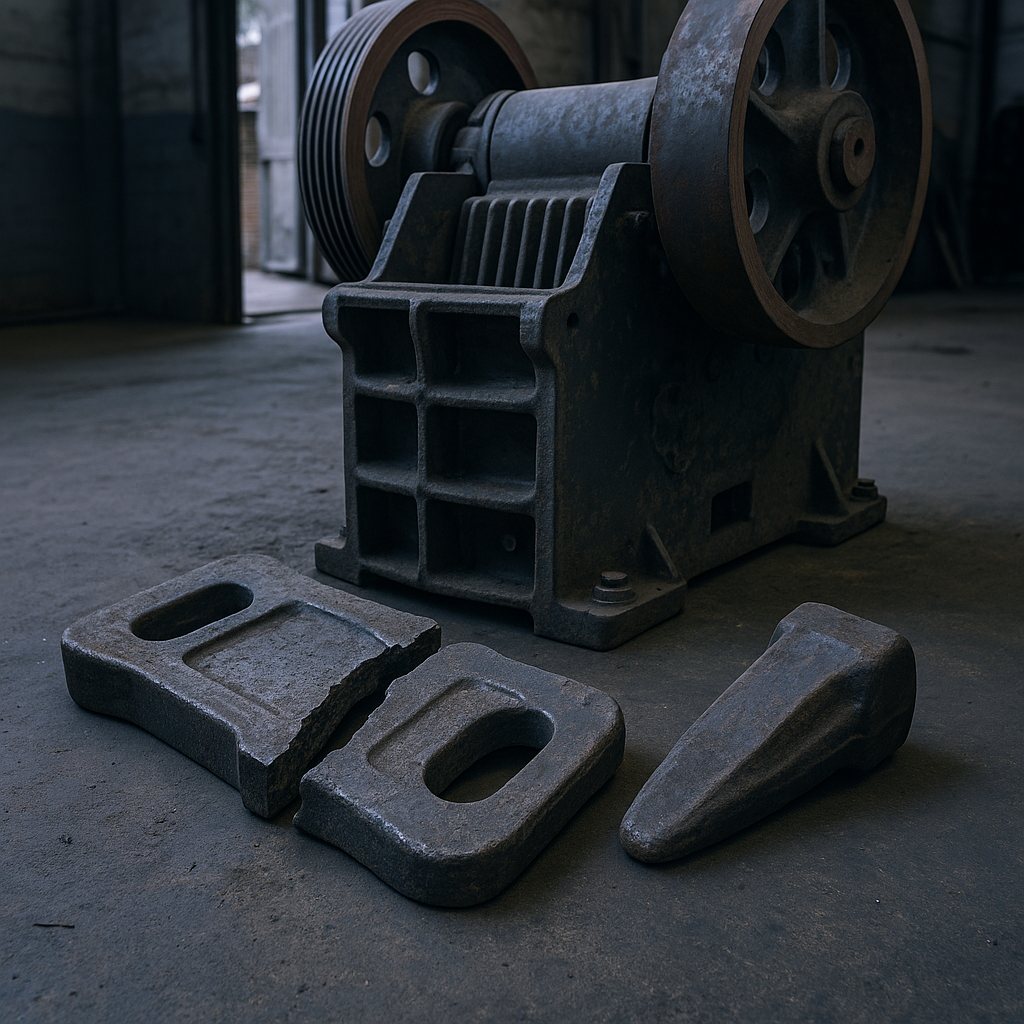
Everyone knows the toggle plate exists as the crusher’s mechanical fuse. When uncrushable steel or a big chunk of ground engaging tool sneaks in, the toggle does its job and snaps before major pieces bend or break. However, I’ve seen many teams simply replace the plate, bolt the cheek guards back and start up, only for the pitman or frame seats to show cracks or deformation soon after.
The seating surfaces in both the pitman and the frame often take a shock load in a fuse event. Use a torch and straightedge to check that both seats are flat and show a uniform wear pattern. If you see spalling, deep indentations or any sign of peening, you need to machine these back to flat or, if minor, dress with a file and emery. Skipping this step leads to uneven toggle loading and puts you on the path for a second failure.
Liner bolts and fasteners should never be assumed
I’ve watched crews rush a toggle swap, throw in new liner bolts or reuse old ones, and ignore the torque. All main fasteners, including those securing the toggle, cheek plates, and jaw dies, should be checked for stretch and thread damage after a big event. South African conditions mean you might be working in the Karoo, where dust and temperature swings are unforgiving, or in coastal humidity near Durban, where corrosion creeps up fast.
Get the correct torque spec from your OEM manual, never guess. If the bolt holes have ovalled out, grinding or bushing may be needed. Incorrect tension or damaged bolts can make the next tramp event catastrophic, not just inconvenient.
- Check for bolt stretch or thread shear
- Clean and inspect threads for corrosion
- Always use a calibrated torque wrench
- Replace all suspect bolts, not just the snapped ones
Downstream effects on your screening circuit
The shock load from a tramp metal event rarely ends at the crusher. If the toggle gives way, the jaw may open wider for a moment, sending oversized or misshapen lumps down to your screens. We’ve seen this crack screen frames, tear polyurethane panels, and even rip wire mesh right off its hooks.
After any toggle plate break, open your screen boxes and check the tension rails, screen media kits, and side clamp bolts. On vibrating screens especially, ensure all tension is even and that there are no new cracks or bends in the support frame. South African quarry dust and Eskom power cuts can make these checks easy to skip, but missing a broken clamp or a slack tension bar will haunt you at the worst time.
Don’t forget feed distribution and campaign planning
Once you’re sure your toggle and seats are sorted, inspect the feed arrangement. Tramp events often come from uneven or surging feed, especially if the plant is running after a power cut or when a loader bucket is dropped too abruptly.
Plan maintenance campaigns to include wear profiling on liners, toggles, and screen panels. Record every fuse event and update the crusher’s wear history. Good planning reduces the risk of repeated damage and helps you spot trends before another tramp event takes you by surprise.
Related parts: Screen Media Kit. You can also browse all parts and plant guides.
What our Crusher Wear Parts customers say
Verified Google reviews