Where bowl liners work in the crushing circuit
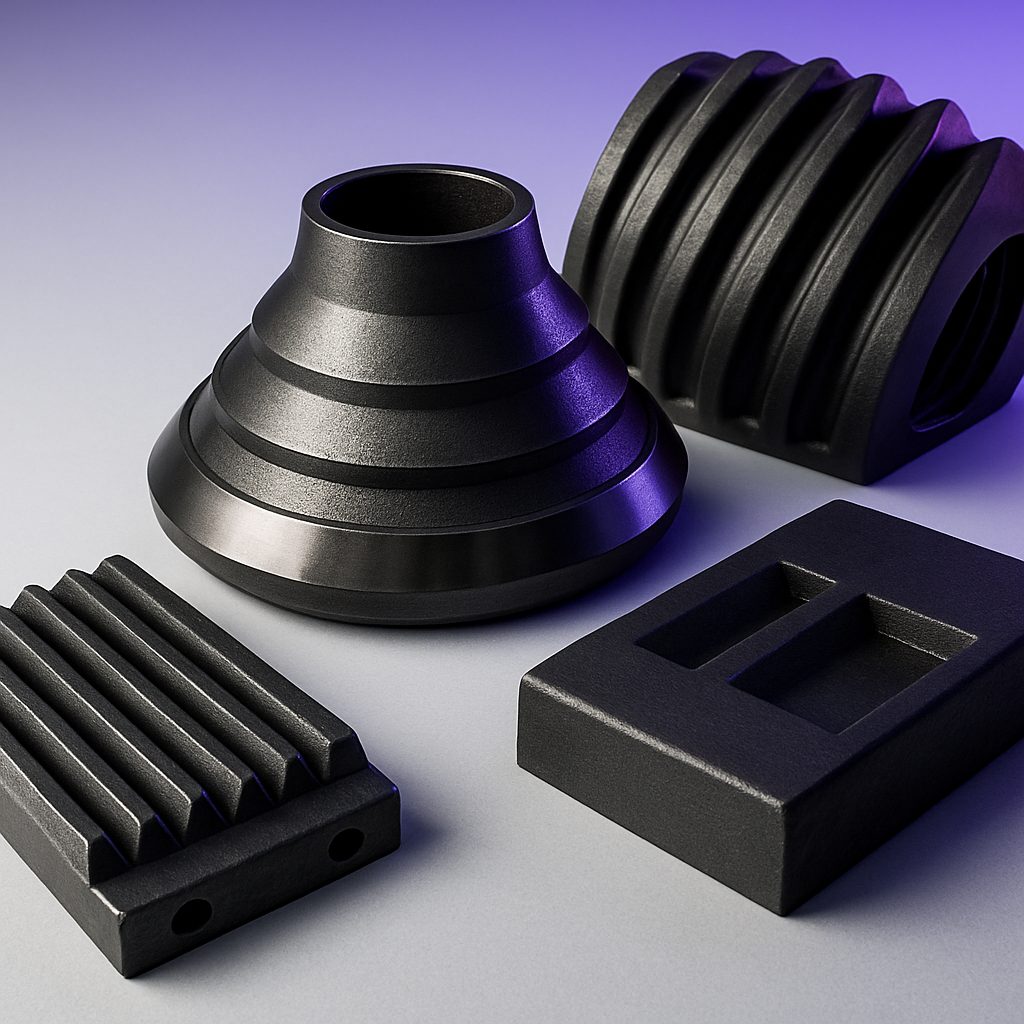
Bowl liners are fitted at the very top of the crushing chamber in most cone crushers, including those in secondary and tertiary plants. This part forms the fixed outer shell, while the mantle rotates inside it. Every tonne of stone, whether Highveld dolerite, deep Karoo quartzite, or coastal limestone, is forced through this squeeze point, making the bowl liner a key wear part. Operators in sand plants, contract crushing outfits, and mine quarries rely on bowl liners to shape and size product, especially where tight closed side settings are run to maximise yield.
This part typically sees the most wear at the zone of maximum crush pressure, especially when choke feeding is practised for better product shape. When the liner profile matches the mantle and chamber, wear is even and predictable. Once the profile is lost, bypass or bridging can develop, throwing off throughput and power draw.
What to expect when ordering a bowl liner
Ordering a bowl liner from Crusher Consumables means getting a part cast in high austenitic manganese steel (standard is Mn18, but other grades are available on request). Each order is matched to your crusher's OEM chamber profile. For most popular crushers, we hold stock in the Sunnyrock yard, but less common or special profiles may be cast to order with a typical window of four to six weeks.
Weight ranges from 180 to 420 kg depending on size and profile. Every liner is supplied with lifting lugs for safe handling, and a parts handoff note is included for your crew. All bowl liners are paired with the correct mantle type, and we confirm this with you before dispatch to avoid mismatch issues.
How South African conditions affect bowl liner life
Wear rates in South Africa are heavily influenced by the abrasive nature of local stone. Highveld quartzite and granite cause rapid work hardening of the manganese but can also accelerate gouging and groove wear. Dolerite, with its dense grain structure, chews through liners if feed is not centred or if the closed side setting drifts open.
Coastal plants must watch for salt corrosion, especially if running with recycled concrete or demolition stone containing rebar. In Gauteng and Mpumalanga, dust and fines can pack behind liners, leading to seat wear or even bowl scoring. We recommend regular inspection and the use of backing compound or correct torque on bowl bolts as per OEM manual.
What our Crusher Wear Parts customers say
Verified Google reviews