Why plants choose Impeller Tip Set
Tip life collapses when feed moisture and rotor speed fight each other. We keep tips with rotor notes.
- Tip / anvil pairing
- Fitment notes for the next shift
| Tip alloy | Ceramic / carbide options |
|---|---|
| Rotor | Speed window |
| Feed | Moisture caveat |
| Supplier | our contact form |
Where VSI impeller tips work hard
VSI impeller tips are fundamental in high-throughput sand plants and shaped aggregate operations. These tips handle the final velocity transfer from the rotor to the anvil ring or rock shelf, dictating final product shape and consistency. In South Africa, they are standard kit on mobile and fixed vertical shaft impactors found in sand plants, glass recycling, and aggregate reshaping lines. Any time your plant is pushing stone fines or manufactured sand, these tips are the wear point where velocity, impact, and feed contamination meet.
Tip life in local conditions depends on the material you process. Highveld granite and quartzite punish tips more than Lowveld river gravel, while coastal plants face salt-accelerated corrosion. Recycle yards with steel rebar or tramp metal have a different risk profile, as impeller tips are vulnerable to gouging and sudden edge chipping when metal sneaks through. Moisture and dust levels in the feed also play a role, as wet feed can create a paste that scours the tip surface or, if too dry, amplifies silica dust impact wear.
What you receive in an Impeller Tip Set
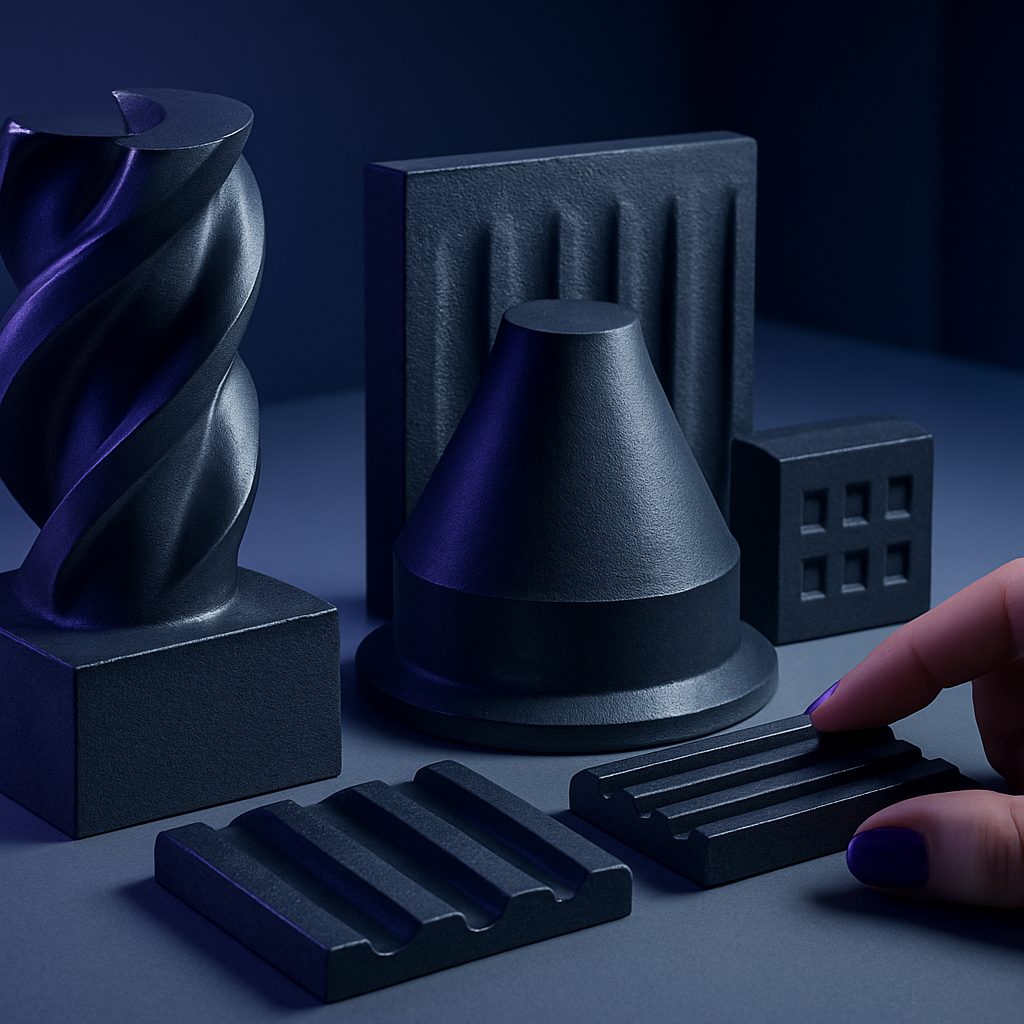
Ordering an impeller tip set from Crusher Consumables means you get profile-matched tips and, if needed, their matching anvils. Choose from high-manganese alloy, chrome iron, or premium ceramic or carbide-reinforced options for maximum service life. Each set is supplied with a handoff note documenting the intended rotor speed range and feed moisture caveats, so your fitment team is briefed. We match tip geometry to OEM specification, or we can replicate a pattern from your worn sample if the rotor has a unique aftermarket profile.
Impeller tips typically weigh between 18 to 27 kg each, and sets are boxed for safe bakkie or flatbed collection. Most common profiles are in stock at our Sunnyrock and regional yards, but special alloys or non-standard castings may require a two to five week window. We supply liner bolts if specified, and all shipments are checked for correct left/right orientation to avoid on-site confusion.
How South African conditions change tip choice
The right impeller tip for Joburg granite is different to the one needed for Durban’s high-humidity sand plant. Abrasive Highveld quartzite demands harder alloys or ceramic-tipped variants to avoid premature edge rounding. In the Karoo, dust levels can amplify tip surface wear, so some operators opt for a thicker tip face. Along the coast, salt in the air and feedstock can push for corrosion-resistant grades. Recycle operations need tips with extra edge reinforcement to cope with sporadic impact from rebar and tramp steel.
If you are running under Eskom power cuts, keep in mind that operating at lower speeds or with inconsistent feed rates can affect tip wear patterns. We advise always profiling your wear after any extended pause or feed change, as tip life projections can shift quickly under these variable plant conditions.
What our Crusher Wear Parts customers say
Verified Google reviews