Essential protection for jaw crusher frames
Cheek plates do the quiet but critical work in every jaw crusher. Whether you are feeding a high-capacity quarry plant or a recycled demolition yard, these plates shield the side walls of the crushing chamber from direct impact and abrasion. Plants processing hard Highveld quartzite, Karoo dolerite or coastal granite see cheek plate wear accelerate as stone flows past the jaw faces and scours the steel. Even in sandier or mixed feed, the sides take a beating from fines and rogue tramp metal. Ignoring worn cheeks leads to frame damage and expensive repairs.
What you get with every cheek plate pair order
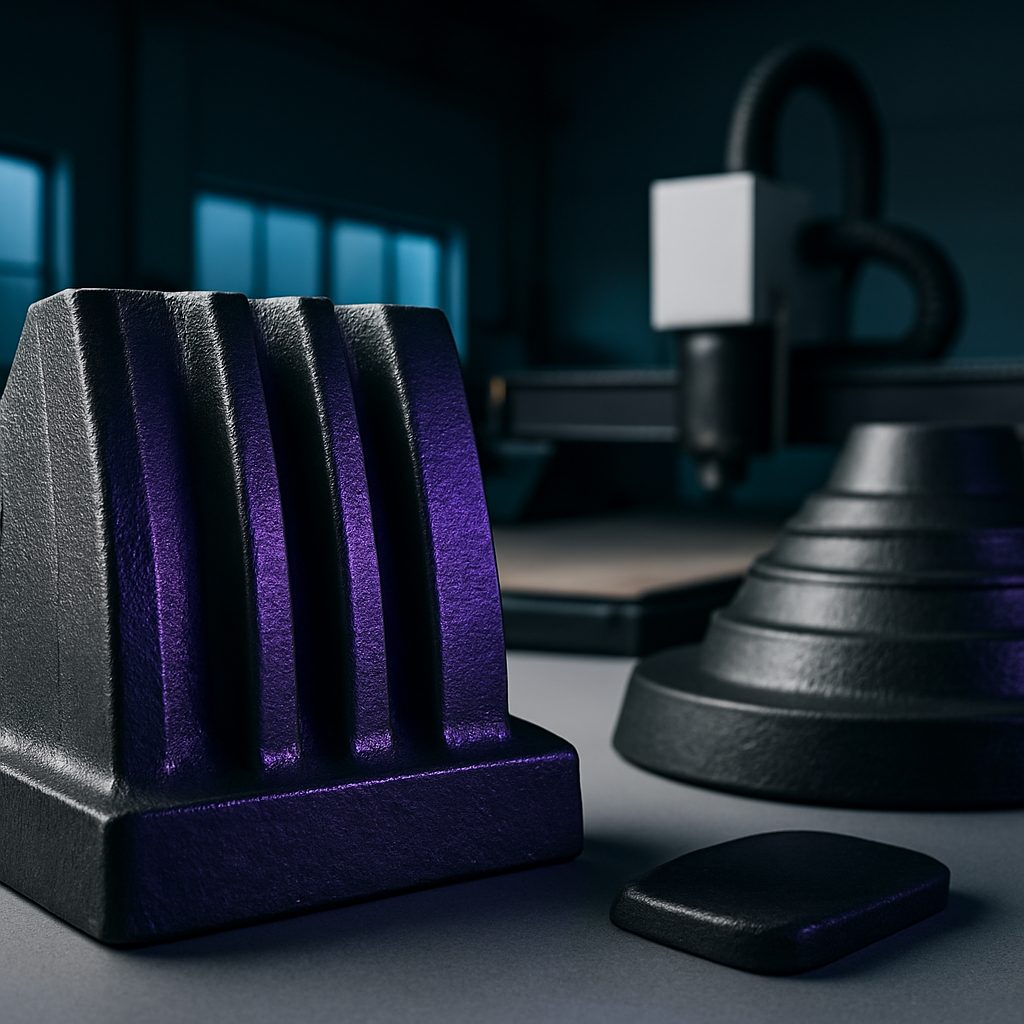
Order a cheek plate pair and you receive two precision-cast plates, marked left and right, ready to fit your OEM pattern. Our stock plates are cast in Mn13 work-hardening manganese for the best balance of toughness and abrasion resistance. For special applications, such as coastal plants facing salt corrosion or recycling sites with embedded steel, we can advise on alternative alloys. Each pair arrives with a handoff note for your fitter and fits using original fastener patterns. Standard plates are typically available ex-stock, with cast-to-pattern plates produced on a 3 to 6 week turnaround, depending on your crusher model.
- Left / right clearly marked
- Standard OEM fastener fitment
- Mn13 austenitic manganese
- Stock or cast-to-pattern supply
South African wear challenges and material choices
From the dry, dusty Highveld to the salty air of Durban and the Cape, South African crushers face extreme operating conditions. Quartzite and granite from inland quarries quickly abrade cheek plates, while the humid Lowveld and coastal plants contend with rust and salt pitting. Recycle yards introduce rebar and concrete fines, which can wedge and gouge the plate edges. For the best life, match your cheek plate material to your application: manganese is the default for most, but we see value in considering higher chrome or Ni-Hard for recycling, or even stainless overlays for severe coastal corrosion. Bring us a sample and let’s review your wear pattern.
What our Crusher Wear Parts customers say
Verified Google reviews